
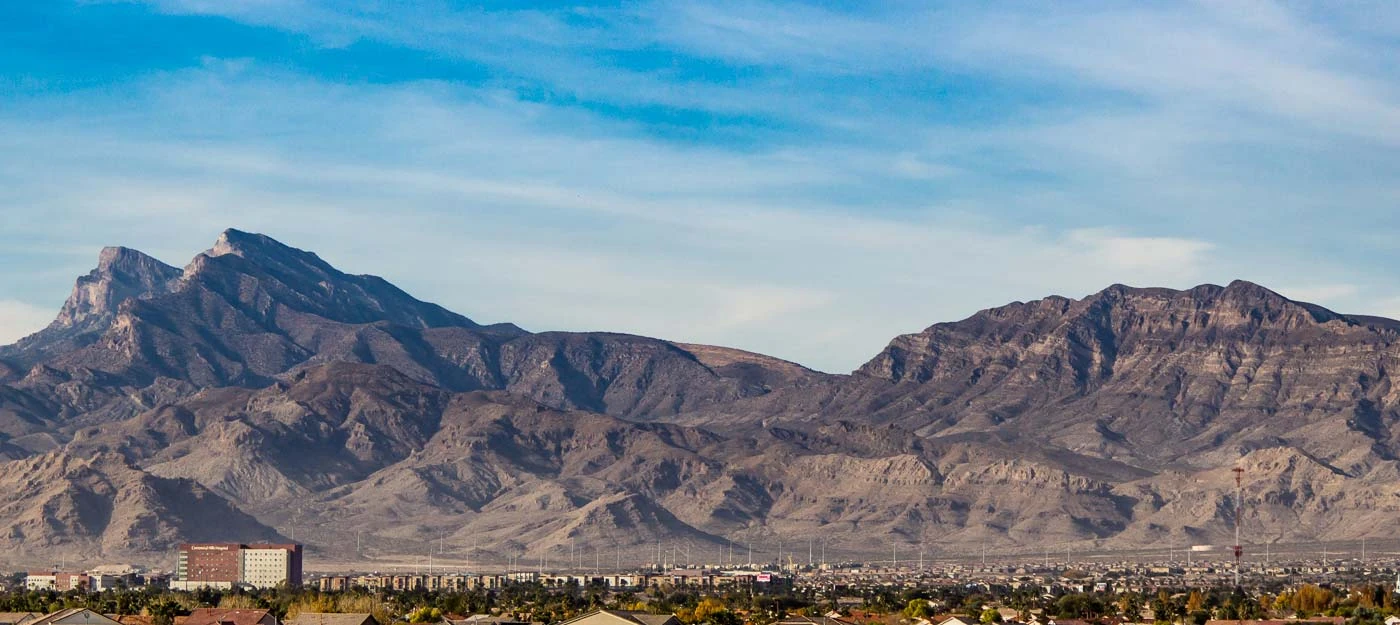
Centennial Hills functions as a key satellite community within the broader Las Vegas service area that encompasses the Strip, convention corridor, Henderson, Summerlin, and adjacent towns. This positioning allows businesses to maintain operational bases in a distinct northwest district while participating in the region's high-volume trade shows and conventions. The market's strength lies in its diverse venue mix, where events at primary facilities create consistent demand for well-planned exhibit solutions that align with specific industry objectives.
As an authoritative planning resource, the focus remains on helping Centennial Hills organizations navigate venue requirements, develop targeted exhibit approaches, and coordinate the operational details that contribute to successful outcomes. The Las Vegas Convention Center, Venetian Expo, Mandalay Bay Convention Center, Caesars Forum Conference Center, Fontainebleau Las Vegas, and supporting resort properties such as Westgate, Alexis Park, Virgin Hotels, Green Valley Ranch, and Hilton Lake Las Vegas represent the core demand drivers. Each venue presents differentiated environments that influence design, logistics, and engagement strategies.
Planning from Centennial Hills emphasizes alignment with the seasonal rhythms of the Las Vegas market, where large-scale events require advance preparation across multiple districts. This includes consideration of how exhibits fit within the wider ecosystem of recommended locations such as North Las Vegas, Enterprise, Paradise, Winchester, Spring Valley, and the various Summerlin districts. The approach prioritizes nuance in venue selection and operational precision to maximize impact without relying on unverified proximity advantages.
What to lock first
- Venue-specific requirements at the Las Vegas Convention Center and Venetian Expo
- Differentiation strategies for resort-based events at Mandalay Bay, Caesars Forum, and Fontainebleau
- Operational alignment with the full spectrum of Las Vegas convention calendar drivers
- Exhibit adaptability for events across satellite communities and core districts
- Coordination frameworks for logistics spanning northwest locations to central venues
- ROI measurement tailored to high-traffic Las Vegas trade show environments
- Integration of district-level nuances into overall exhibition planning
Centennial Hills Position in the Expanded Las Vegas Service Area
The Las Vegas market sustains a wide service-area footprint that explicitly includes adjacent satellite towns such as Centennial Hills alongside primary zones like the Strip, convention corridor, Henderson, and Summerlin. This structure supports organizations based outside the immediate convention districts by allowing them to draw on the same ecosystem of world-class venues. Centennial Hills provides a distinct operational base characterized by its northwest valley location, serving companies that regularly engage with events drawing national and international audiences.
Planning efforts for Centennial Hills businesses center on integrating with the established demand drivers documented across major facilities. Rather than emphasizing direct venue adjacency, the focus stays on strategic preparation that accounts for the full cycle of trade show participation. This involves mapping event calendars, understanding attendee profiles at different properties, and creating exhibit plans that remain effective regardless of origin district within the greater metropolitan region.
The recommended location network includes Paradise, Winchester, Spring Valley, Enterprise, multiple Summerlin segments, Downtown, the Arts District, North Las Vegas, Sunrise Manor, and Henderson corridors. Centennial Hills fits logically into this network as a secondary priority area where businesses can develop coordinated approaches that scale across multiple events. Operational detail emerges through consistent attention to how each venue cluster influences everything from graphics scale to interactive element deployment.
This wide-area perspective enables more resilient planning. Companies can select shows based on relevance rather than convenience alone, building exhibit programs that travel effectively between districts while maintaining brand consistency. The authoritative resource role involves outlining these interconnections so decision-makers in Centennial Hills can allocate resources with clarity and purpose.
Primary Venues and Their Operational Characteristics
The Las Vegas Convention Center stands as a foundational demand driver, accommodating expansive exhibitions that require planning for large footprints, high daily attendance, and diverse traffic patterns. Coordination for these events prioritizes scalable designs capable of performing in high-volume environments while supporting detailed product demonstrations or educational sessions. Adjacent to this, the Venetian Expo provides connected resort amenities that often attract events favoring sophisticated presentations and premium attendee experiences.
Mandalay Bay Convention Center, positioned on the south end of the Strip, brings its own operational profile suited to industries needing resort integration and flexible hall configurations. Caesars Forum emphasizes innovative conference formats with venues designed for technology-forward displays and collaborative setups. Fontainebleau Las Vegas adds contemporary infrastructure on the north Strip, influencing planning toward modern aesthetics and efficient use of updated facilities.
Supporting properties including Westgate Las Vegas Resort & Casino, Alexis Park All Suite Resort, Virgin Hotels Las Vegas, Green Valley Ranch Resort & Spa, and Hilton Lake Las Vegas Resort & Spa expand options for targeted or mid-sized events. These venues frequently host specialized gatherings where exhibit planning must account for more intimate scales, unique room layouts, and integration with hospitality services. Each property listed contributes to the overall market density that benefits organizations across all recommended locations including Centennial Hills.
Effective coordination requires mapping these operational differences during initial planning stages. Factors such as move-in procedures, utility provisions, and audience flow vary sufficiently across the portfolio to warrant Venue by Venue review rather than generalized templates. This level of detail supports more precise budgeting and design decisions for Centennial Hills teams managing participation from a satellite perspective.
- Las Vegas Convention Center for large-scale exhibitions
- Venetian Expo for resort-connected events
- Mandalay Bay Convention Center for south Strip versatility
- Caesars Forum for innovative conference formats
- Fontainebleau Las Vegas for contemporary north Strip presentations
- Resort properties including Green Valley Ranch and Hilton Lake Las Vegas for specialized gatherings
District-Level Differentiation in Exhibit Strategy
Las Vegas trade shows reward designs that respond to the specific character of each district and venue cluster. Exhibits coordinated for Centennial Hills organizations succeed when they reflect an understanding of how the northwest valley perspective translates into booth elements that communicate professionalism and preparedness. The convention corridor demands bold visibility, while resort-based venues allow for refined detailing and experiential components that leverage surrounding ambiance.
Operational nuance appears in choices around structure height, lighting integration, storage incorporation, and digital interactivity. For events at primary convention facilities, planning often centers on durability and rapid reconfiguration between show days. In contrast, properties like Virgin Hotels or Fontainebleau may call for finishes and layouts that complement upscale environments without sacrificing functionality or compliance with exhibition regulations.
Satellite districts such as Centennial Hills, Summerlin West, or Inspirada contribute companies whose target markets span multiple sectors active in Las Vegas. This diversity encourages hybrid exhibit approaches that can be adapted across event types. Coordination resources help identify which core elements remain constant and which should flex based on whether the show occurs in the Arts District, Enterprise, or a Henderson Lake Las Vegas corridor property.
Attention to these differentiations prevents generic outcomes in a market known for high production standards. The planning process incorporates review of past performance data by venue type, attendee demographics, and competitive density to refine concepts before fabrication commitments. Such detail-oriented methods help Centennial Hills businesses achieve clearer separation from other exhibitors regardless of their home district.
Logistics Coordination Across the Las Vegas Market
Successful trade show participation from Centennial Hills depends on comprehensive coordination that addresses the realities of operating within a multi-district market. This includes synchronized timelines for concept approval, production milestones, transportation scheduling to central receiving points, and contingency protocols for the continuous flow of conventions. The emphasis remains on planning frameworks that maintain control across the entire preparation sequence.
The year-round cadence of events at listed venues creates overlapping cycles that require careful calendar management. Coordination plans account for lead times appropriate to the scale of each exhibition, ensuring materials and components arrive prepared for the distinct installation environments found at the Las Vegas Convention Center versus boutique resort conference spaces. This prevents compression of critical review stages that could compromise final quality.
Broader service area planning also considers how resources allocated for one event can inform or transfer to subsequent shows in different locations such as Downtown Las Vegas, the Convention Center District, or Summerlin Meeting District. Establishing repeatable processes for booth oversight, staff briefing, and on-site protocol adherence supports consistency even as venues change. The authoritative planning role involves documenting these processes so organizations can execute with greater independence and effectiveness.
Post-event coordination receives equal weight, with structured approaches to lead capture, follow-up sequencing, and performance reporting that feed directly into planning for future market participation. By treating the entire Las Vegas ecosystem as an integrated opportunity rather than isolated events, Centennial Hills companies can compound results across their annual trade show calendar.
- Calendar synchronization for venue-specific deadlines
- Production milestone tracking across districts
- Transportation alignment to central exhibition points
- Staff briefing frameworks for varied event scales
- Post-event analysis and knowledge transfer protocols
Technology Integration and Engagement Planning
Modern Las Vegas exhibitions increasingly incorporate technology that enhances rather than distracts from core messaging. For Centennial Hills planners, this means selecting solutions that align with the technical infrastructure available at each primary venue while supporting the types of interactions most relevant to target industries. Planning includes assessment of bandwidth needs, power distribution, content management, and backup systems appropriate to the market's demanding environment.
Interactive elements must be evaluated for reliability during extended show hours typical of major conventions at the Venetian Expo or Mandalay Bay. Coordination extends to training protocols that prepare booth personnel to demonstrate these features effectively. The goal remains creating smooth experiences where technology supports rather than supplants human connection, particularly important in a market where personal engagement still drives significant business outcomes.
Venue differentiation influences technology choices. Larger halls at the Las Vegas Convention Center may support larger LED displays and more robust data collection tools, while specialized events at Caesars Forum or Green Valley Ranch might favor immersive VR stations or streamlined mobile integration. Planning resources provide structured evaluation criteria so selections remain tied to documented event objectives rather than novelty.
Long-term coordination also considers how technology investments can be amortized across multiple appearances in the Las Vegas market and beyond. This operational perspective helps Centennial Hills organizations maintain technological relevance while controlling costs associated with frequent exhibit updates.
Performance Measurement and Continuous Improvement
Trade show investments in the Las Vegas market require disciplined measurement to validate planning decisions. Organizations based in Centennial Hills benefit from frameworks that track metrics aligned with both immediate event goals and longer-term market presence. These include qualified lead volume, engagement quality, brand recall indicators, and conversion pathways that extend beyond the show floor.
The diversity of venues creates opportunities for comparative analysis. Performance at a large convention center event can be contrasted with results from a more focused resort property gathering to refine future selection and design choices. Planning incorporates baseline establishment before events and systematic debriefs afterward to capture actionable insights about what resonated with Las Vegas audiences.
Continuous improvement cycles leverage the density of opportunities in the region. Lessons from one participation at Fontainebleau or Westgate can inform adjustments for subsequent events at the Convention Center or Summerlin venues. This iterative approach strengthens overall market effectiveness for companies operating from secondary locations like Centennial Hills, North Las Vegas, or Anthem.
The planning resource perspective emphasizes building institutional knowledge rather than one-off executions. Documented processes for goal setting, data collection, and review create compounding advantages as organizations deepen their engagement with the Las Vegas convention ecosystem over multiple cycles.
- Pre-event objective documentation
- Real-time engagement tracking methods
- Post-event quantitative and qualitative review
- Comparative analysis across venue types
- Knowledge transfer to future planning cycles
Building Resilient Exhibition Programs for the Region
The Las Vegas market's scale and consistency reward organizations that develop multi-year exhibition programs rather than isolated show appearances. For Centennial Hills businesses, this means creating master plans that accommodate participation across the full range of recommended locations and venue types while maintaining narrative continuity. Coordination at this level integrates marketing, sales, and product teams around shared objectives tied to the city's convention strengths.
Resilience comes from contingency planning that accounts for the market's dynamic nature, including schedule shifts, competitive surprises, and evolving attendee expectations. Established planning protocols allow rapid adaptation without sacrificing design integrity or operational standards. This approach proves particularly valuable when managing multiple events that may span from Strip Central to Henderson or Lake Las Vegas corridors within a single quarter.
The authoritative resource model supports this by offering structured decision matrices, timeline templates, and evaluation rubrics that can be applied consistently regardless of specific venue. Over time, these tools help Centennial Hills organizations reduce planning overhead while increasing the sophistication and effectiveness of their Las Vegas presence.
Ultimately, success in this market stems from treating trade shows as integrated components of a larger business development strategy. By maintaining focus on venue specificity, operational precision, and data-driven refinement, companies based in satellite districts like Centennial Hills can compete effectively alongside those located closer to primary convention facilities.
FAQ
Questions buyers usually ask next
How does Centennial Hills fit into the overall Las Vegas trade show market?
Centennial Hills operates as a secondary priority satellite community within the expanded Las Vegas service area that includes the Strip, convention corridor, Summerlin, Henderson, and other districts. Planning focuses on leveraging the full portfolio of major venues including the Las Vegas Convention Center, Venetian Expo, and listed resort properties as primary demand drivers.
Which venues should companies in Centennial Hills prioritize for exhibits?
Key venues include the Las Vegas Convention Center, the Venetian Expo, Mandalay Bay Convention Center, Caesars Forum Conference Center, Fontainebleau Las Vegas, Westgate Las Vegas, Virgin Hotels, Green Valley Ranch, and Hilton Lake Las Vegas. Each offers distinct operational characteristics that should inform tailored planning and coordination.
What makes planning different for satellite locations like Centennial Hills?
Planning emphasizes integration with the wide service-area footprint, venue-specific requirements, and operational timelines that span multiple districts. Focus remains on strategic coordination, exhibit adaptability, and performance measurement rather than unverified local execution claims.
How far ahead should exhibit planning begin for Las Vegas events?
Major conventions at primary venues benefit from planning cycles that begin many months in advance to accommodate design, production, logistics coordination, and alignment with the continuous Las Vegas calendar. Earlier preparation supports more nuanced differentiation and reduces operational pressure.
What role does district differentiation play in successful Las Vegas exhibits?
District and venue characteristics influence design scale, technology choices, material selections, and engagement approaches. Planning that accounts for differences between the Convention Center District, Strip segments, Summerlin, Henderson, and northwest areas like Centennial Hills produces more targeted and effective results.
How can businesses measure ROI from Las Vegas trade show participation?
Establish clear metrics during planning including lead quality, engagement depth, brand impact, and post-event conversion tracking. Comparative analysis across venues such as those in the primary demand driver list helps refine future strategies within the broader Las Vegas ecosystem.