
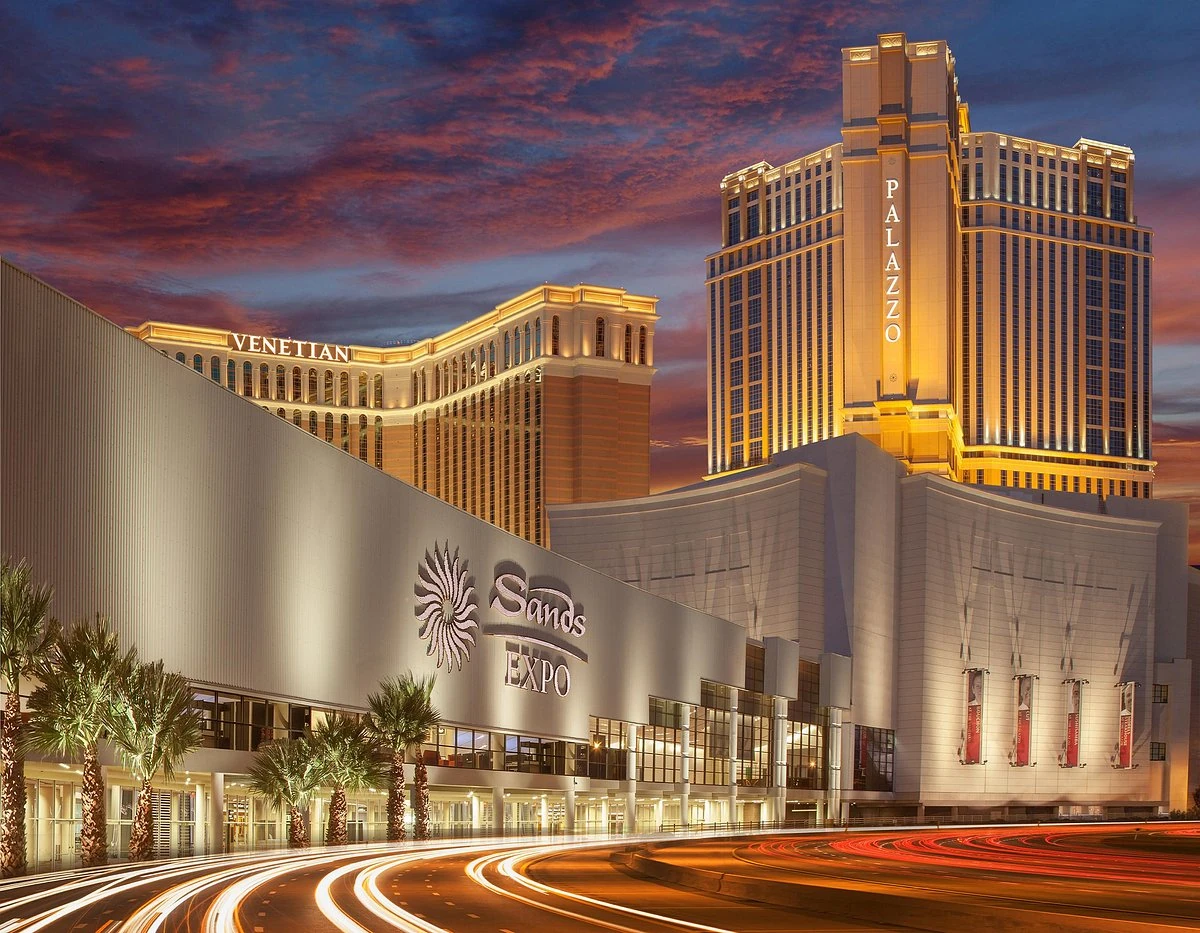
The Venetian Expo forms a vital component of the Las Vegas convention landscape, drawing major trade shows and industry events that contribute to the region's position as a global meetings destination. As an authoritative planning resource, we focus on the operational frameworks and strategic considerations that enable exhibitors to navigate this venue effectively within the broader ecosystem that includes the Las Vegas Convention Center, Mandalay Bay Convention Center, Caesars Forum, and other key facilities.
Successful participation at the expo demands careful alignment of exhibit objectives with venue characteristics, attendee patterns, and the surrounding Las Vegas infrastructure. Our coordination guidance emphasizes district-level nuances of the Strip environment and the specific operational demands that arise when events concentrate in this area of the city.
From initial strategy formulation through post-event analysis, effective planning at the expo centers on integration with the unique rhythm of Las Vegas conventions while maintaining focus on measurable business outcomes.
What to lock first
- Venue layout analysis and spatial optimization
- Integration with Strip-area transportation networks
- Competitive positioning within multi-venue ecosystems
- Technology infrastructure alignment for exhibits
- Attendee flow management and engagement tactics
- Budget frameworks tailored to large-scale events
- Post-show analytics and lead nurturing protocols
Understanding the Venetian Expo Within Las Vegas Convention Dynamics
The expo operates as a significant driver of convention activity in Las Vegas, contributing to the market signals that position the city as a premier destination for trade shows and business events. Its role alongside the Las Vegas Convention Center and other major facilities creates a dense concentration of activity that requires exhibitors to approach planning with a comprehensive view of interconnected venues and supporting infrastructure.
Planning resources for the expo emphasize the importance of early assessment of how this venue interacts with the surrounding convention clusters. The proximity to resort properties and other exhibition spaces introduces specific coordination requirements around attendee movement, scheduling overlaps, and shared logistics that differ from more isolated suburban conference settings such as Green Valley Ranch Resort and Spa or Hilton Lake Las Vegas Resort and Spa.
This interconnected environment rewards exhibitors who develop strategies that account for the full spectrum of Las Vegas demand drivers. Coordination efforts benefit from mapping potential synergies or conflicts with events at neighboring facilities including Fontainebleau Las Vegas, Westgate Las Vegas Resort and Casino, and Virgin Hotels Las Vegas.
- Map venue interconnections early in planning
- Assess scheduling overlaps with adjacent facilities
- Identify supporting infrastructure across the ecosystem
- Align objectives with overall market demand patterns
District-Level Differentiation and Operational Nuances
The expo sits within the distinctive operational context of the Las Vegas Strip clusters, where convention activity intersects with hospitality, transportation, and entertainment infrastructure in ways that influence exhibit outcomes. This setting differs markedly from standalone resort properties or the dedicated Convention Center District, requiring tailored planning that respects the unique traffic patterns and attendee behaviors characteristic of the area.
Operational details at the expo involve coordination with the specific rhythms of Strip Central and Strip North activity zones. Exhibitors benefit from strategies that acknowledge how visitor circulation between resorts, exhibition spaces, and supporting venues affects dwell time, session attendance, and exhibit visitation patterns.
Effective planning resources highlight the need to differentiate approaches based on these district characteristics. Unlike events at more contained locations such as Alexis Park All Suite Resort or the Westin Lake Las Vegas Resort and Spa, planning must incorporate considerations for higher volume pedestrian flows and multi-modal transportation access points.
- Analyze Strip cluster circulation patterns
- Account for hospitality venue intersections
- Differentiate from suburban resort operations
- Incorporate multi-modal access planning
Strategic Exhibit Coordination Frameworks
Developing a coordinated approach for the expo begins with clear definition of objectives within the context of the venue's scale and the broader Las Vegas convention calendar. Planning teams achieve better results when they establish measurement criteria early and align all elements of the exhibit program to support those defined outcomes.
Coordination extends beyond individual booth design to encompass how the exhibit functions within the larger show environment. This includes sightline considerations, adjacent competitor positioning, and integration points with overall event programming. The expo's placement within the Las Vegas market amplifies the importance of these relational elements.
Authoritative planning guidance stresses iterative review cycles that incorporate feedback from previous events at this and similar venues. This progressive refinement helps exhibitors build institutional knowledge specific to the operational realities of the expo and its role in the regional convention ecosystem.
- Define measurable objectives at outset
- Map relational positioning within show floor
- Establish iterative review processes
- Build venue-specific knowledge base
Logistics and Infrastructure Planning Best Practices
Logistical coordination for the expo requires attention to the specific infrastructure supporting large-scale events in the Las Vegas market. This includes alignment with regional transportation networks, loading dock protocols, and utility distribution systems that serve the venue and surrounding properties.
Planning resources focus on creating contingency frameworks that address potential variables in attendee volumes, material handling timelines, and technical requirements. The concentration of convention activity in this part of Las Vegas introduces both opportunities for efficiency and requirements for precise scheduling to avoid conflicts with other events.
Successful exhibitors develop detailed timelines that account for the full event lifecycle, from Pre Move in through post-event dismantling. These timelines integrate with the operational characteristics of the expo while maintaining flexibility to adapt to the dynamic Las Vegas convention environment that includes activity at the Las Vegas Convention Center and Mandalay Bay Convention Center.
- Develop comprehensive timeline frameworks
- Align with regional transportation capacity
- Prepare contingency protocols for variables
- Integrate utility and technical requirements
Technology Integration and Engagement Planning
Modern exhibit coordination at the expo incorporates strategic technology planning that enhances rather than complicates the core visitor experience. The venue's position in the technology-forward Las Vegas market creates expectations for smooth digital integration that supports both data collection and interactive demonstrations.
Planning frameworks should evaluate which technologies align with specific exhibitor goals while functioning reliably within the venue's infrastructure parameters. This evaluation includes considerations for bandwidth requirements, power distribution, and compatibility with event-wide systems used across major Las Vegas conventions.
Effective coordination balances innovative applications with practical execution details. The expo environment rewards solutions that enhance accessibility and engagement while maintaining operational simplicity across the exhibit lifecycle.
- Evaluate technology against defined objectives
- Assess infrastructure compatibility early
- Balance innovation with operational reliability
- Integrate data collection with engagement tactics
ROI Measurement and Post-Event Coordination
Developing robust measurement frameworks represents a critical component of planning for the expo. The concentration of qualified attendees in Las Vegas conventions creates significant opportunities for lead generation and relationship building when appropriate tracking mechanisms are established before the event begins.
Coordination extends through the post-event phase, where systematic analysis of performance data informs future strategies. The expo's role within the larger Las Vegas market allows for comparative insights across multiple venues and event types, strengthening the planning intelligence available to exhibitors.
Long-term success depends on translating event-specific outcomes into refined approaches for subsequent participation. This iterative process leverages the full spectrum of Las Vegas convention opportunities, from major centers to specialized resorts, to build increasingly sophisticated exhibit programs.
- Establish baseline metrics pre-event
- Implement systematic data collection
- Conduct comparative venue analysis
- Translate insights into strategy refinement
Budget Allocation and Resource Optimization
Strategic budget planning for the expo balances investment across creative development, logistical coordination, technology integration, and follow-up activities. The venue's position among Las Vegas primary demand drivers justifies allocation models that reflect the potential return from participation in this concentrated convention market.
Effective resource coordination identifies areas where strategic investment yields disproportionate impact within the specific operational context of the expo. This includes evaluating trade-offs between various exhibit elements while maintaining alignment with overall event objectives and the characteristics of the surrounding Las Vegas ecosystem.
Planning guidance encourages periodic budget reviews that incorporate lessons from both the expo and comparable venues throughout the region. This adaptive approach helps exhibitors optimize expenditures as they navigate the evolving conventions landscape that encompasses facilities from the Las Vegas Convention Center to more specialized properties like Virgin Hotels Las Vegas and Fontainebleau Las Vegas.
- Balance allocation across program elements
- Identify high-impact investment areas
- Conduct periodic strategy reviews
- Adapt models based on market evolution
FAQ
Questions buyers usually ask next
How does the Venetian Expo fit within the broader Las Vegas convention market?
The expo serves as a key driver of convention activity alongside the Las Vegas Convention Center, Mandalay Bay Convention Center, and other major venues. Planning should account for its position within the Strip clusters and its connections to the regional ecosystem of facilities including Caesars Forum and various resort-based conference properties.
What district-level factors should influence exhibit planning at this work?
The venue operates within the distinctive environment of the Las Vegas Strip where convention activity intersects with hospitality and transportation infrastructure. Coordination must address the unique pedestrian flows, scheduling considerations, and multi-venue dynamics that differentiate this area from suburban or isolated resort conference settings.
When should planning begin for participation at the program?
Strategic planning for the expo benefits from initiation well in advance of show dates to allow for thorough venue analysis, objective setting, and integration with the broader Las Vegas convention calendar. Early coordination enables more effective resource allocation and competitive positioning.
How can exhibitors optimize logistics for events at this service?
Logistics planning should integrate with the specific infrastructure and transportation networks supporting the Las Vegas convention market. Detailed timelines, contingency frameworks, and alignment with venue operational protocols help ensure smooth execution within the concentrated activity of the Strip area.
What role does technology play in successful coordination at the plan?
Technology planning should align with exhibitor objectives and the infrastructure capabilities of the venue and surrounding Las Vegas market. Strategic integration enhances engagement while maintaining operational reliability across the full event lifecycle.
How should ROI be measured for exhibits at this work?
Measurement frameworks should be established during initial planning phases with clear metrics tied to specific objectives. Post-event analysis within the context of the larger Las Vegas convention ecosystem provides valuable insights for refining future participation strategies.