
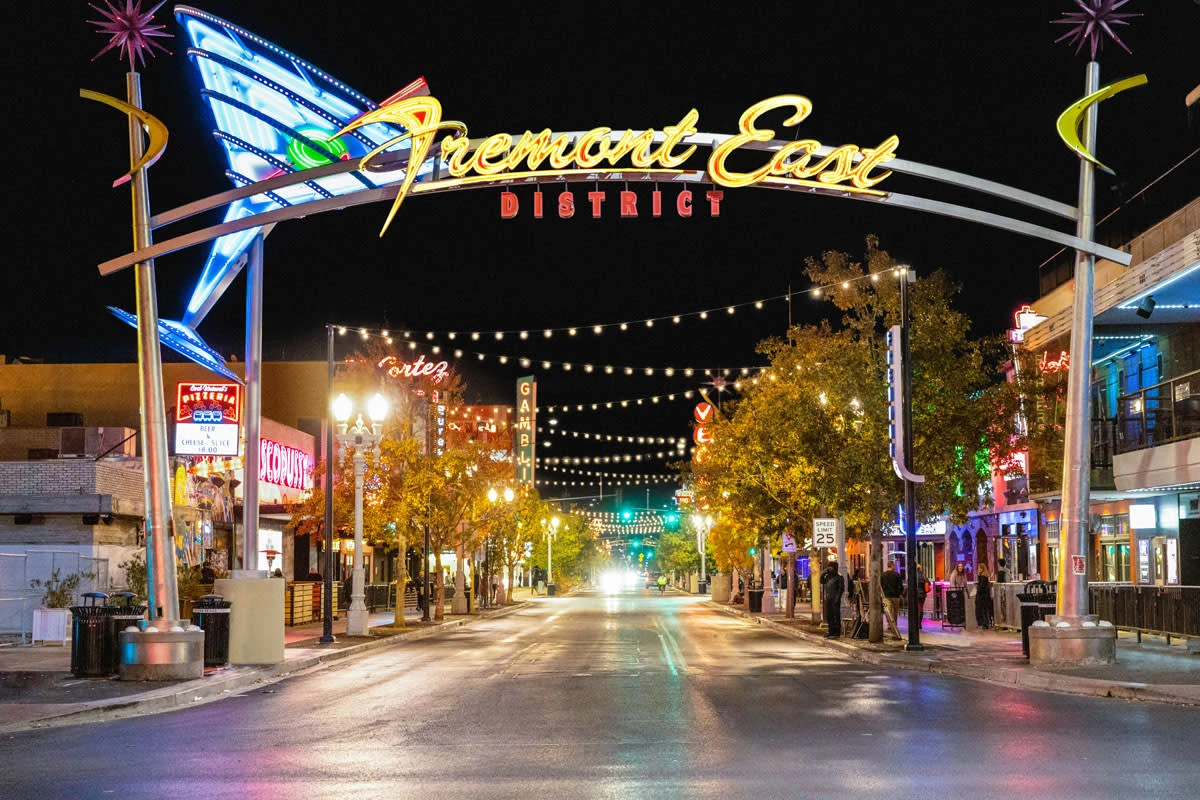
Downtown Las Vegas operates as a vital secondary node within the expansive Las Vegas exhibition market, characterized by its revitalized urban core that supports targeted industry events distinct from the scale and intensity of primary convention facilities. This district benefits from proximity to the broader ecosystem powered by major demand drivers including the Las Vegas Convention Center, the Venetian Expo, Mandalay Bay Convention Center, Caesars Forum Conference Center, and Fontainebleau Las Vegas. Effective planning here requires nuanced understanding of district-level attendee patterns, space utilization in more compact configurations, and alignment with the creative, entrepreneurial atmosphere that defines the area.
As an authoritative planning and coordination resource, we deliver operational insights that help exhibitors differentiate their presence through precise design adaptations and strategic timing without relying on generic approaches. The Las Vegas market as a whole sustains activity across multiple zones including the Convention Center District, Paradise, Winchester, Spring Valley, Enterprise, Summerlin, and adjacent areas, allowing Downtown to function as a complementary destination for events seeking authenticity and focused engagement. Coordination begins with detailed analysis of how your exhibit objectives intersect with the specific operational parameters of Downtown venues and the surrounding infrastructure.
Successful execution in this segment depends on early-stage mapping of logistics, audience touchpoints, and integration with potential multi-district campaigns that span from the Strip corridor to outlying business hubs like Henderson and Green Valley Ranch. Our resources emphasize measurable preparation steps that account for the unique traffic flows, zoning considerations, and event calendars that set Downtown apart while maintaining consistency with the high standards expected across the entire Las Vegas valley.
What to lock first
- District-specific traffic flow mapping and space optimization
- Alignment with the creative and entrepreneurial character of the urban core
- Integration planning with primary Las Vegas convention demand drivers
- Timeline calibration for multi-venue campaigns spanning the valley
- Branding differentiation that respects historic-modern architectural context
- Performance metrics tailored to targeted Downtown attendee segments
- Coordination frameworks for complementary events in nearby districts
Understanding Downtown Las Vegas Within the Regional Convention Framework
The Las Vegas market draws substantial activity from an array of high-profile venues that establish the city as a premier destination for trade shows and industry conferences. Primary demand drivers such as the Las Vegas Convention Center with its million-plus square feet of exhibit space, the Venetian Expo offering flexible configurations, and the Mandalay Bay Convention Center support large-scale events that frequently spill over into secondary districts including Downtown. This interconnected ecosystem allows Downtown Las Vegas to host more specialized gatherings that capitalize on its revitalized infrastructure and accessibility from major thoroughfares.
Planning resources must therefore address how Downtown functions as both an alternative and supplementary location. Operational details include evaluating event dates against the master calendar of flagship properties like Caesars Forum, Fontainebleau Las Vegas, and Westgate Las Vegas Resort to identify strategic windows for participation. Exhibitors benefit from approaches that position their displays to attract decision-makers who split time between major conventions and more intimate Downtown sessions, creating opportunities for deeper interactions in a less crowded setting.
District-level differentiation emerges clearly when comparing Downtown to areas such as the Convention Center District or Summerlin. While the former emphasizes massive scale and the latter focuses on upscale suburban appeal, Downtown delivers an authentic urban narrative supported by its historic roots and contemporary developments. Coordination involves mapping these distinctions into exhibit narratives that resonate with audiences seeking innovation in a context that feels grounded rather than purely transactional.
- Cross-reference event schedules from Las Vegas Convention Center and Venetian Expo
- Identify overlap opportunities with properties like Virgin Hotels Las Vegas and Alexis Park
- Account for transportation links between Downtown and the broader valley
- Align objectives with secondary priorities in Enterprise, Spring Valley, and Winchester
Design Coordination Strategies Optimized for Downtown Environments
Custom exhibit coordination for Downtown Las Vegas prioritizes modular designs that adapt efficiently to variable space dimensions commonly found in urban venues. Unlike the expansive halls of primary facilities, Downtown configurations often require thoughtful vertical utilization, strategic lighting plans that account for natural daylight intrusion, and graphics scaled for closer viewing distances. These operational considerations ensure that every element contributes to clear sight lines and intuitive navigation within tighter footprints.
Authoritative planning incorporates audience analysis specific to the district's mix of local professionals, creative entrepreneurs, and visiting delegates from larger conventions. This informs decisions around interactive components, material selections, and messaging hierarchies that differentiate your brand while harmonizing with the area's innovative yet approachable character. Resources guide the development of scalable solutions that maintain visual impact whether deployed in standalone Downtown activations or as part of multi-location Las Vegas programs.
Attention to detail extends to storage logistics, assembly sequencing, and contingency planning that respects municipal guidelines applicable to the Downtown core. By treating these factors as integral to the design phase rather than afterthoughts, exhibitors achieve smoother transitions between concept and implementation, maximizing the limited time available during event windows.
The result is an exhibit that performs as a coordinated extension of your overall Las Vegas market strategy, bridging the energy of the Strip with the authenticity of Downtown to create memorable brand encounters.
Logistical Planning for Smooth Downtown Participation
Effective coordination for Downtown Las Vegas events centers on comprehensive timeline development that begins months in advance of show dates. This includes alignment with the operational calendars of supporting venues such as Green Valley Ranch Resort and Hilton Lake Las Vegas Resort to create cohesive regional presence. Planning resources provide frameworks for sequencing deliverables, confirming specifications, and preparing adaptive protocols that address the unique loading and access considerations of downtown locations.
District-level nuances require particular focus on pedestrian integration, parking infrastructure, and proximity to hospitality options that influence attendee dwell time. Operational detail in the planning phase encompasses risk assessment for weather variables, technology infrastructure verification, and stakeholder communication protocols that keep all elements synchronized. These steps help exhibitors avoid common pitfalls associated with urban event environments while capitalizing on the district's walkable nature.
When integrated with broader market planning, Downtown coordination enhances overall campaign efficiency. Resources outline methods for leveraging data from primary demand drivers at the Las Vegas Convention Center or Mandalay Bay to inform targeting, messaging refinement, and follow-up strategies that extend the impact of Downtown engagements into the wider Las Vegas ecosystem.
- Develop 90-day preparation timelines synchronized with major venue schedules
- Verify district-specific access and timing requirements early
- Build contingency pathways for schedule adjustments
- Coordinate with complementary locations including North Las Vegas and Henderson
Audience Engagement and Measurement in the Downtown District
Downtown Las Vegas attracts a distinctive demographic that blends established industry leaders with emerging innovators, creating demand for engagement tactics that balance sophistication with approachability. Planning resources emphasize the development of experience blueprints that guide visitors through curated interactions designed to generate qualified conversations rather than superficial traffic. This approach recognizes the operational reality that Downtown events often feature more focused attendance than mega-shows at Caesars Forum or the Venetian Expo.
Measurement frameworks tailored to this district track not only quantitative metrics but also qualitative indicators such as discussion depth, partnership potential, and brand perception shifts. Coordination includes establishing baseline comparisons against performance at other Las Vegas locations like Summerlin or the Convention Center District to identify optimization opportunities. Such analysis supports iterative refinement that strengthens future participation across the entire market footprint.
By embedding these evaluation methods into the initial planning, exhibitors create accountable campaigns that demonstrate clear return on investment while building institutional knowledge about what resonates in Downtown's unique context. The resulting insights frequently inform adjustments that enhance effectiveness at neighboring satellite locations including Boulder City, Primm, and the various Summerlin meeting districts.
Multi-District Coordination Across the Las Vegas Valley
The strength of the Las Vegas exhibition market lies in its ability to support activity across diverse zones, from the dense convention corridor to revitalized urban cores like Downtown and master-planned communities such as Summerlin, Enterprise, and Henderson. Authoritative planning connects these areas into unified strategies where Downtown serves as a strategic counterpoint to larger venues, allowing exhibitors to segment their presence according to specific audience clusters and event types.
Operational details include transportation mapping between Downtown and key properties like Westgate Las Vegas, Alexis Park All Suite Resort, and Virgin Hotels Las Vegas to facilitate efficient team deployment and material movement. Resources outline communication cadences, asset management protocols, and narrative continuity measures that ensure brand coherence regardless of location. This level of coordination transforms what might appear as fragmented appearances into a cohesive market penetration effort.
Recommended locations for expansion from a Downtown foundation include the Arts District, Paradise, Winchester, Spring Valley, and the Henderson Lake Las Vegas corridor. Each offers distinct operational parameters that, when properly planned, amplify the impact of initial Downtown investments. The process involves comparative analysis of venue specifications, audience profiles, and timing to construct campaigns that maximize coverage while respecting budgetary and logistical realities.
- Paradise NV for extended convention overflow
- Summerlin NV for upscale corporate events
- Arts District Las Vegas for creative industry focus
- Henderson NV for specialized regional gatherings
- Enterprise NV for emerging technology showcases
Advanced Preparation Resources for Complex Downtown Campaigns
Complex campaigns that span multiple Las Vegas districts require layered planning documents that address everything from initial concept validation through post-event analytics. For Downtown activations, this includes specialized sections on urban integration, compliance with local operational guidelines, and synchronization with the primary demand generated by flagship centers such as the Las Vegas Convention Center and Mandalay Bay. Resources provide templates for these documents while emphasizing customization based on specific exhibitor objectives.
Seasoned coordination involves scenario modeling that anticipates variables ranging from attendance fluctuations to technical requirements unique to the Downtown environment. By drawing on established patterns from the broader market including events at Fontainebleau Las Vegas, Green Valley Ranch, and Hilton Lake Las Vegas, planners can develop robust strategies that maintain flexibility without sacrificing precision. The emphasis remains on preparation as the foundation for successful outcomes.
Long-term market participants benefit from institutionalizing these planning methodologies, creating repeatable processes that reduce overhead while increasing effectiveness across successive events. Whether focusing exclusively on Downtown or incorporating it into valley-wide programs, the disciplined application of operational detail consistently separates high-performing exhibits from those that simply occupy space.
Refining Your Approach Through Continuous Market Insight
The Las Vegas exhibition landscape evolves continuously, with Downtown Las Vegas reflecting broader trends while maintaining its independent character as a hub for forward-thinking events. Ongoing coordination resources help exhibitors monitor these shifts through structured review processes that compare performance across recommended locations including the Strip North, Strip South, West of Strip, and East of Strip segments. This comparative lens reveals opportunities to adjust messaging, design language, and engagement protocols for maximum relevance.
Particular attention is paid to how economic cycles, industry consolidation, and technological advancements influence the types of gatherings hosted in Downtown versus larger facilities. Planning frameworks incorporate regular calibration points that allow for mid-campaign adjustments and comprehensive post-event debriefs. The resulting knowledge base supports increasingly sophisticated approaches that leverage the full spectrum of opportunities the Las Vegas market presents.
Ultimately, success in Downtown Las Vegas stems from treating the location as an integrated component of a larger strategic vision rather than an isolated activation. With proper coordination that respects the district's unique operational parameters while drawing strength from the surrounding convention infrastructure, exhibitors position themselves to build lasting connections in one of the nation's most dynamic business environments.
- Schedule quarterly reviews of multi-district performance data
- Update design assets based on observed Downtown engagement patterns
- Maintain alignment with primary venues including the Venetian Expo and Caesars Forum
- Document lessons for application in Summerlin Meeting District and beyond
FAQ
Questions buyers usually ask next
How does planning for Downtown Las Vegas differ from the Las Vegas Strip or Convention Center District?
Downtown requires attention to more compact venue footprints, distinct attendee profiles that blend local professionals with convention visitors, and integration with an urban revitalization context. While the Strip and Convention Center District emphasize large-scale logistics, Downtown planning prioritizes precision in tighter spaces and authentic brand alignment with the district's creative character, all while coordinating with major demand drivers like the Las Vegas Convention Center and Venetian Expo.
What are the primary demand drivers supporting Downtown Las Vegas events?
The broader Las Vegas market is powered by major venues including the Las Vegas Convention Center, Venetian Expo, Mandalay Bay Convention Center, Caesars Forum, Fontainebleau Las Vegas, Westgate Las Vegas, Virgin Hotels, and supporting properties like Green Valley Ranch and Hilton Lake Las Vegas. Downtown functions as a complementary location that captures overflow interest and specialized segments within this robust ecosystem.
When should coordination begin for a Downtown Las Vegas trade show presence?
Effective planning starts 6 to 9 months prior to event dates to allow sufficient time for district-specific analysis, design iteration, integration with other Las Vegas locations such as Summerlin or Henderson, and alignment with primary convention calendars. Early coordination ensures all operational details receive proper attention.
Can exhibits designed for Downtown be adapted for other Las Vegas districts?
Yes. Modular planning that accounts for Downtown's urban parameters typically creates flexible assets adaptable to Summerlin, the Convention Center District, Paradise, Enterprise, and Strip segments. Coordination resources emphasize continuity in branding while adjusting scale and features to match each location's distinct operational requirements.
What metrics matter most for evaluating Downtown Las Vegas performance?
Focus on qualified lead quality, depth of engagement, follow-up conversion rates, and comparative results against other districts. Because Downtown events often feature more targeted audiences than larger venues, measurement frameworks should capture nuanced indicators of brand resonance and partnership potential alongside standard traffic data.
How does Downtown fit into a comprehensive Las Vegas market strategy?
Downtown serves as a strategic component that adds authenticity and focused networking to campaigns also incorporating the Las Vegas Strip, Convention Center District, Summerlin Meeting District, Henderson Lake Las Vegas Corridor, and additional recommended locations. Integrated planning maximizes coverage across the valley's diverse event landscape.