
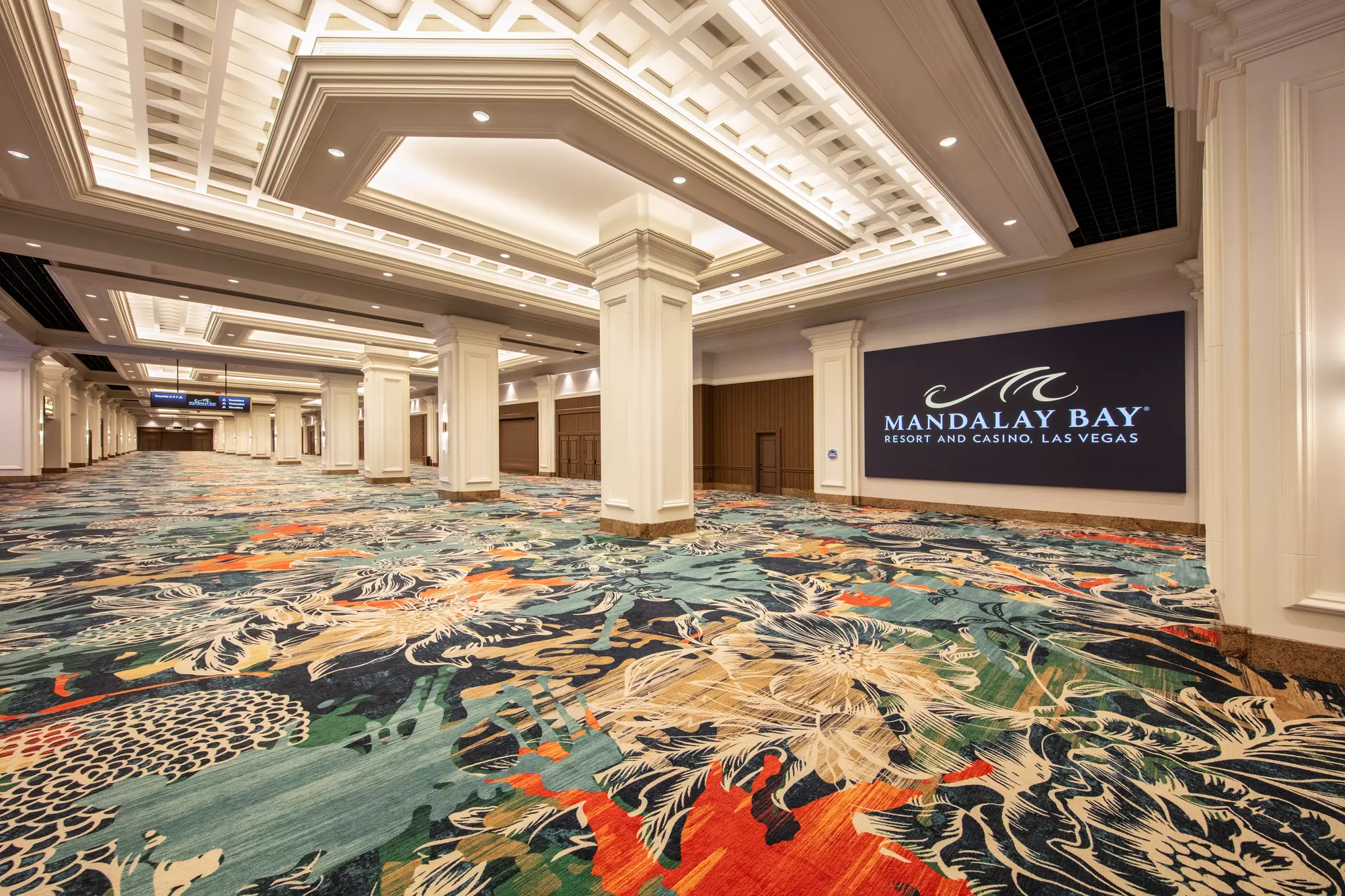
The Mandalay Bay Convention Center stands as a significant venue in Las Vegas, known for hosting a variety of industry events and trade shows that draw professionals from across the country. Its integration with the Mandalay Bay Resort and Casino provides a distinctive environment where business meetings blend with resort amenities, creating both opportunities and unique planning considerations for exhibitors.
Effective exhibit planning at this location requires a thorough understanding of the venue's operational characteristics, attendee behavior patterns, and the broader context of the Las Vegas trade show market. As an authoritative resource, we focus on delivering actionable strategies that help organizations prepare their participation from initial concept through post-event analysis.
By concentrating on the specific attributes of the Mandalay Bay campus within the Strip South cluster, exhibitors can develop displays that resonate with their target audience while maintaining operational efficiency throughout the event lifecycle.
What to lock first
- Venue-specific layout and traffic flow analysis
- Integration of resort amenities into exhibit strategy
- Optimal booth sizing and configuration for the halls
- Logistics planning for the south Las Vegas Strip location
- Technology requirements and infrastructure compatibility
- Compliance with local and venue regulations
- Differentiation from other Strip convention options
Understanding the Mandalay Bay Convention Center Campus
The Mandalay Bay Convention Center forms part of a larger resort complex that combines extensive meeting and exhibit space with hotel accommodations, dining options, and entertainment venues. This integrated approach affects how attendees interact with exhibits, often extending their time on the campus beyond traditional show hours and creating additional touchpoints for brand engagement.
From a planning perspective, recognizing the physical connections between the convention facilities and the resort elements allows for more strategic placement of branding and messaging. The layout encourages a certain flow that can be leveraged to increase visibility and engagement when properly anticipated in the design phase and aligned with overall event objectives.
Exhibitors benefit from considering how the venue's scale and ambiance influence the type of display that will perform best. The environment supports both large-scale productions and more intimate, conversation-focused setups depending on the specific hall and event type, requiring early analysis of show management floor plans.
- Integrated resort and convention operations
- Multiple facility connection points
- Varied event space configurations
- Distinct positioning within Strip South cluster
District Context Within the Las Vegas Trade Show Market
Mandalay Bay is positioned within the Strip South cluster of venues, which offers a different dynamic compared to the Convention Center District, Strip Central, or Strip North locations. This positioning influences attendee demographics, transportation patterns, and competitive considerations for exhibitors preparing their participation.
The south Strip location means specific attention to how visitors arrive at the property, whether by air travel connections, ride share services, or coordinated hotel shuttles from other properties. These factors should inform pre-show marketing, on-site staffing plans, and logistics to ensure smooth execution of your exhibit strategy.
Understanding these district-level nuances helps in crafting an exhibit approach that aligns with the particular audience that frequents events at this venue. Comparison with other major Las Vegas properties reveals distinct advantages in terms of hospitality integration that can be factored into comprehensive planning.
- Strip South transportation considerations
- Demographic patterns specific to south end properties
- Competitive differentiation from central venues
- Campus-wide navigation planning
Exhibit Design Principles for High-Impact Participation
Creating an effective display for the Mandalay Bay Convention Center involves balancing visual appeal with functional considerations specific to the space. The design should account for how lighting conditions in the halls affect color choices, material selection, and overall visibility from primary aisles.
Successful exhibits in this environment often incorporate elements that encourage interaction while maintaining clear pathways for attendee movement. This approach helps maximize lead generation and brand exposure during the limited timeframe of the event without creating congestion points.
Coordination between design teams and the overall show objectives ensures that the final structure supports the messaging and demonstration needs. Early conceptualization that incorporates the venue's architectural features leads to more cohesive presentations that stand out in a competitive Las Vegas market.
- Lighting-compatible color and material selection
- Interactive elements designed for engagement
- Clear sight lines from main traffic aisles
- Modular components for reconfiguration flexibility
Logistics and Operational Coordination Strategies
Successful participation at Mandalay Bay depends heavily on precise logistical planning that accounts for the venue's specific operational requirements. This encompasses advance scheduling of material shipments, clear timelines for setup and dismantle, and defined protocols for on-site management.
The planning process should include contingency options for potential delays common in the high-volume Las Vegas market where multiple large events may overlap. Attention to these details helps prevent costly last-minute adjustments and ensures compliance with established move-in and move-out windows.
Post-event dismantling requires equally careful orchestration to ensure materials are properly handled, tracked, and prepared for return or storage according to organizational policies. Comprehensive checklists developed well in advance contribute to reduced stress and improved outcomes across all phases.
- Advance material shipment scheduling protocols
- Defined responsibilities across all phases
- Contingency planning for market-specific variables
- Clear communication frameworks with stakeholders
Technology Infrastructure and Integration Planning
In the current trade show environment, technology plays a crucial role in differentiating your presence at venues like Mandalay Bay. Incorporating digital displays, interactive interfaces, and reliable connectivity solutions can significantly increase attendee interaction when thoughtfully integrated with the physical booth elements.
The venue supports various technological implementations, but requires advance planning to ensure compatibility with available power, data connections, and audiovisual infrastructure. This preparation prevents technical issues during peak show hours and allows for smooth demonstrations.
Effective technology deployment should align with your broader brand digital strategy while providing measurable methods for capturing attendee information. When coordinated properly, these elements extend the reach of your exhibit beyond the physical space and support follow-up activities after the event concludes.
- Power and connectivity requirement analysis
- Digital display positioning strategies
- Data capture and lead management systems
- Backup solutions for technical contingencies
Hospitality Integration and Attendee Experience Enhancement
The resort aspects of the Mandalay Bay property offer additional avenues for engagement that extend beyond the exhibit hall itself. Planning how to incorporate hospitality elements such as targeted invitations to private sessions or coordinated dining experiences can meaningfully extend the impact of trade show participation.
These integrated approaches require careful coordination to align with all applicable policies while creating memorable experiences for key prospects and clients. The campus setting supports this type of extended interaction when incorporated into the overall strategy from the initial planning stages.
By viewing the entire property as part of the exhibit ecosystem rather than limiting focus to the convention floor, organizations can develop comprehensive approaches that drive stronger connections. This perspective often leads to higher quality interactions and improved conversion from show leads.
- Coordinated invitation and hospitality strategies
- Experiential extensions using campus features
- Lead qualification processes during events
- Smooth transition from hall to hospitality spaces
Regulatory Compliance and Market Best Practices
Las Vegas trade shows operate under a specific framework of regulations and operational guidelines that must be incorporated into any exhibit plan for Mandalay Bay. Familiarity with these requirements helps avoid complications during setup, operation, and dismantle phases.
From material standards to labor considerations for installation activities, each aspect requires detailed attention throughout the planning timeline. Developing relationships with qualified coordinators can streamline navigation of these requirements while maintaining focus on strategic objectives.
Staying current with any updates to local requirements or venue-specific rules ensures full compliance and reduces risk. This knowledge forms an essential foundation for successful events and contributes to more predictable outcomes in the dynamic Las Vegas convention environment.
- Material and construction standard reviews
- Timeline alignment with regulatory calendars
- Documentation preparation and submission processes
- Ongoing monitoring of policy updates
FAQ
Questions buyers usually ask next
How does exhibiting at Mandalay Bay Convention Center differ from other Las Vegas venues?
Its integrated resort setting on the south Strip creates unique opportunities for extended attendee engagement while presenting distinct logistical considerations related to campus layout, traffic flow, and positioning within the Strip South cluster.
What should exhibitors prioritize when planning displays for this venue?
Focus on layout analysis, lighting conditions, traffic patterns, and integration with resort amenities. Early attention to these factors allows for designs that perform effectively within the specific environment of Mandalay Bay events.
Why is advance planning particularly important for Mandalay Bay events?
The combination of convention facilities with resort operations requires coordinated timelines across multiple operational areas. Advance planning helps align all elements from design through logistics and ensures smooth execution within the broader Las Vegas market context.
How can technology be effectively incorporated into exhibits at this location?
Technology solutions should be selected and positioned based on the venue's infrastructure capabilities. When integrated with physical design elements, digital components can enhance engagement while supporting data capture and post-event follow-up activities.
Can resort features be leveraged as part of an exhibit strategy?
The connected resort environment allows for extended brand experiences through coordinated hospitality and networking activities. These elements must be planned in accordance with all policies to create smooth transitions from the exhibit hall to additional engagement opportunities.
What metrics should be used to evaluate success at Mandalay Bay?
Evaluation should combine quantitative data on leads and interactions with qualitative insights about attendee behavior within the integrated campus setting. Post-event analysis helps refine approaches for future participation at this and other Las Vegas venues.