
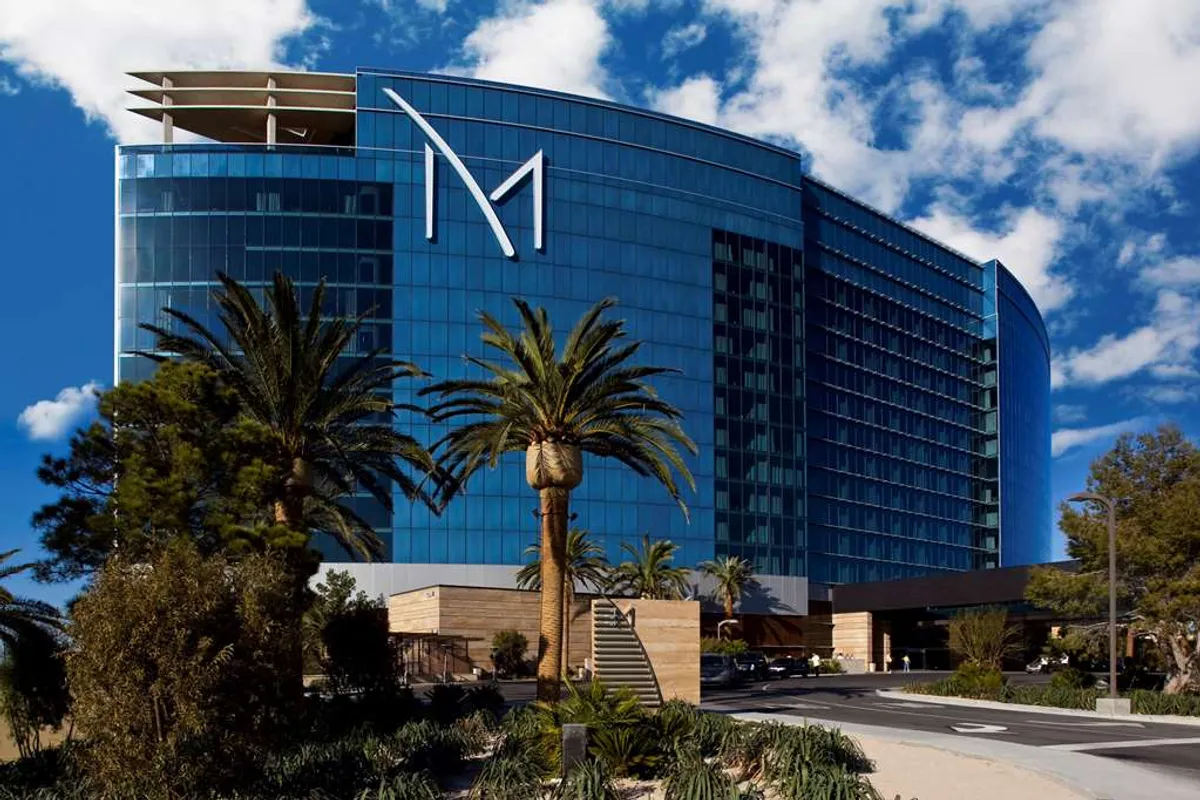
The M Resort Spa and Casino occupies a distinctive position in the southern Las Vegas venue cluster, offering an upscale resort environment that supports focused trade shows and corporate exhibitions. This property integrates hospitality, wellness facilities, and configurable meeting spaces in a manner that differentiates it from both the dense Convention Center District and the high-traffic Strip Central zones. Planning resources emphasize alignment between event objectives and the specific operational characteristics of this location to drive quality attendee interactions and measurable outcomes.
Coordination for events at this venue requires attention to space utilization, attendee flow between exhibition areas and resort amenities, and integration with the property's emphasis on refined experiences. As an authoritative planning resource, the following guidance outlines established approaches drawn from Las Vegas market patterns, helping exhibitors and organizers navigate the distinct requirements without relying on generalized templates or assumptions.
Successful execution depends on early consideration of venue-specific factors including layout implications, logistical sequencing, and opportunities for thematic alignment with the resort's spa and hospitality focus. This supports strategic differentiation in a competitive regional market where district-level choices influence attendee demographics and engagement potential.
What to lock first
- Venue layout and space configuration analysis
- District positioning relative to Las Vegas transportation corridors
- Exhibit design alignment with resort aesthetics and scale
- Logistical sequencing for setup and material movement
- Technology and AV infrastructure coordination
- Attendee flow optimization across integrated facilities
- Post-event evaluation tied to specific exhibition goals
Venue Positioning and District Differentiation in Las Vegas
The M Resort Spa and Casino is situated within the southern cluster of Las Vegas venues, providing a counterpoint to the intensity of central Strip properties and the volume-driven Convention Center District. This positioning offers logistical advantages through proximity to major arterial routes while maintaining separation from peak congestion periods associated with north Strip or central exhibition halls. Event planners utilize this distinction to target audiences seeking a more curated environment where business discussions can occur alongside access to spa and dining amenities.
Operational details at properties in this cluster often prioritize controlled access and personalized service over mass throughput. This influences planning by requiring precise scheduling of move-in windows and attendee registration sequences that prevent bottlenecks. Coordination strategies focus on mapping these patterns against event objectives to create efficient experiences that leverage the resort's layout for natural transitions between sessions, exhibits, and networking zones.
Understanding these district-level dynamics allows for more informed decisions regarding exhibit scale and programming. Venues like this one support mid-sized exhibitions particularly well, where the emphasis falls on depth of engagement rather than sheer attendee volume. This approach aligns with industries that benefit from environments conducive to extended consultations within a luxury hospitality framework.
- Southern cluster location with arterial route access
- Controlled environment supporting quality interactions
- Integration of business and hospitality functions
- Differentiation from central and northern venue clusters
Exhibit Design Strategies Aligned with Resort Characteristics
Exhibit structures for the M Resort Spa and Casino must balance visibility with sensitivity to the property's refined architectural and decorative elements. Designs typically incorporate clean profiles, neutral or complementary palettes, and lighting solutions that enhance rather than compete with ambient resort illumination. This creates an environment where brand presence supports the overall atmosphere while still directing focused attention to key messages and demonstrations.
Space configurations in this venue cluster generally feature more intimate dimensions than dedicated convention facilities, necessitating modular or custom solutions that maximize functionality within defined footprints. Planning includes detailed review of ceiling heights, column placements, and adjacency to other exhibits or thoroughfares to optimize sightlines and traffic patterns. Early conceptualization allows iterative adjustments that ensure structural integrity and compliance with operational parameters.
Thematic resonance with the property's wellness and hospitality orientation can strengthen attendee recall. Elements that subtly reference relaxation, precision, or luxury often perform effectively in this setting. Professional coordination of these design elements ensures smooth integration with broader event theming while maintaining flexibility for different product categories or presentation formats.
Sustainability considerations in material selection further align with contemporary expectations at upscale venues. Reusable components and low-impact fabrication methods not only reduce environmental footprint but often provide cost efficiencies across repeated activations in the Las Vegas market.
- Complementary color and material selections
- Modular approaches for variable space dimensions
- Thematic alignment with wellness and hospitality
- Emphasis on sightlines and traffic optimization
Logistical Coordination and Operational Sequencing
Logistics planning for the M Resort Spa and Casino centers on precise timing of material delivery, setup sequencing, and teardown protocols that respect both venue policies and surrounding resort operations. The southern district location typically allows more predictable access windows compared to central Strip properties, though coordination still requires detailed mapping of loading areas, elevator capacities, and internal routing to prevent disruption to guest activities.
Effective sequencing involves creation of comprehensive timelines that account for interdependencies between freight movement, booth installation, technology deployment, and final aesthetic refinements. This level of detail minimizes downtime and supports adherence to budget parameters by reducing the potential for change orders or expedited service requirements. Established planning methodologies stress milestone checkpoints that facilitate proactive issue resolution.
Transportation considerations from regional hubs, including airport and warehouse districts, form another critical component. Mapping optimal routes and understanding peak traffic influences on southern corridors helps ensure reliable arrival windows. Coordination extends to post-event material retrieval, where forward planning prevents storage complications and supports efficient return or redistribution of assets.
Documentation of all logistical decisions creates an auditable record that benefits future events at this or comparable venues. This institutional knowledge supports continuous refinement of approaches based on observed patterns specific to resort casino environments.
- Detailed timeline development with checkpoints
- Mapping of loading and internal routing paths
- Integration of transportation and delivery windows
- Documentation for knowledge transfer across events
Technology Integration and Infrastructure Alignment
Modern exhibitions at the M Resort Spa and Casino benefit from strategic deployment of audiovisual and digital technologies that enhance presentation quality within the resort's existing infrastructure. Planning begins with assessment of available power distribution, data connectivity, and structural support points to ensure compatibility without requiring extensive modifications. This foundation supports everything from high-resolution displays to interactive demonstrations that maintain reliability throughout event hours.
The venue's focus on guest experience extends to technology applications, where smooth operation becomes as important as visual impact. Coordination involves testing protocols that verify performance under actual load conditions, including simultaneous usage across multiple exhibits. Backup systems and redundancy planning mitigate risks associated with connectivity fluctuations common in multi-use resort properties.
Integration of mobile applications for attendee navigation or lead capture aligns particularly well with the dispersed layout typical of resort-based events. These tools can direct participants efficiently between exhibition spaces, educational sessions, and amenity areas. Data collected through such platforms further informs real-time adjustments and post-event analysis.
Emerging solutions such as targeted digital signage or augmented reality experiences require early alignment with venue capabilities to avoid last-minute technical obstacles. Professional planning resources emphasize this front-loaded approach to maximize technological return on investment.
- Compatibility assessment with existing infrastructure
- Comprehensive testing and redundancy protocols
- Mobile integration for dispersed venue navigation
- Early planning for advanced digital applications
Attendee Engagement and Traffic Flow Optimization
Traffic flow at the M Resort Spa and Casino benefits from intentional programming that utilizes the property's natural gathering points and transition spaces. Unlike linear convention hall layouts, resort configurations often feature multiple pathways connecting exhibition areas with dining, spa, and lounge facilities. Planning maps these patterns to position high-impact elements where they intersect with primary movement corridors.
Engagement strategies emphasize quality over volume, encouraging extended interactions through thoughtfully designed consultation zones and demonstration schedules. Integration with resort programming, such as wellness-focused breaks or hospitality events, creates additional touchpoints that reinforce messaging. This holistic approach often yields higher conversion metrics than traditional booth-centric models.
Staff preparation includes orientation to the specific venue dynamics, ensuring consistent brand representation across varied interaction scenarios. Training focuses on adapting techniques to the more intimate scale while maintaining professional standards appropriate to the resort environment. Measurement frameworks track both quantitative traffic and qualitative engagement indicators.
Post-event review of flow patterns and engagement data provides actionable insights for subsequent activations. These findings help refine spatial decisions and programming elements for improved performance at this property or within similar southern cluster venues.
- Utilization of natural transition spaces
- Programming that integrates with resort amenities
- Staff orientation to venue-specific dynamics
- Combined quantitative and qualitative metrics
Budget Development and Resource Allocation
Budget frameworks for events at the M Resort Spa and Casino incorporate direct venue costs alongside ancillary expenses related to design, logistics, technology, and staffing. Early categorization by function allows for strategic prioritization that aligns financial resources with core exhibition objectives. This methodical approach helps identify areas where value engineering can maintain impact while controlling expenditures.
Resort properties in this cluster often present package options that bundle services, though careful analysis ensures alignment with specific needs rather than generalized offerings. Planning includes contingency allocations for variables such as unexpected material handling requirements or technology enhancements identified during final walkthroughs. Regular budget reviews throughout the planning cycle maintain fiscal discipline.
Longer-term cost management considers reusability of exhibit components across multiple Las Vegas market events. Investments in modular systems or digital assets frequently demonstrate favorable amortization when coordinated with comprehensive planning. Documentation of actual versus projected costs creates benchmarks for future financial planning.
Resource allocation extends beyond monetary considerations to include human capital and time investment. Balancing these elements ensures that internal teams remain focused on strategic activities while operational details receive appropriate professional attention.
- Functional categorization of all expense types
- Analysis of available service bundling options
- Contingency planning for variable costs
- Emphasis on reusability for multi-event efficiency
Post-Event Evaluation and Continuous Improvement
Structured evaluation following events at the M Resort Spa and Casino begins with predefined success criteria established during initial planning phases. These metrics address both immediate outcomes, such as lead generation and engagement levels, and longer-term indicators including brand perception shifts within target segments. Systematic data collection throughout the event ensures comprehensive information for analysis.
Review processes examine operational efficiency alongside strategic results, identifying correlations between planning decisions and observed performance. Particular attention is paid to how venue-specific elements, such as integration with spa or hospitality functions, influenced attendee behavior and response patterns. These insights inform adjustments for future events within this or other Las Vegas clusters.
Knowledge capture includes documentation of logistical lessons, design effectiveness, and technology performance under actual conditions. This repository becomes increasingly valuable as organizations expand their presence in the regional market. Regular synthesis of findings supports evolution of planning methodologies that remain responsive to changing venue and industry dynamics.
Stakeholder debriefs that include both internal teams and coordination partners complete the evaluation cycle. These collaborative reviews foster shared understanding that enhances execution efficiency over successive activations at the M Resort Spa and Casino and comparable properties.
- Predefined metrics across multiple outcome types
- Correlation analysis between planning and results
- Systematic knowledge capture and documentation
- Collaborative stakeholder review processes
FAQ
Questions buyers usually ask next
How does the southern Las Vegas cluster location of M Resort Spa and Casino affect event planning?
The location provides access advantages via major arterial routes while offering separation from central congestion. Planning must account for specific material handling sequences, attendee travel patterns from other parts of the valley, and integration opportunities with resort amenities that differ from Convention Center District or Strip Central venues.
What design considerations are unique to resort casino venues like the M Resort?
Exhibits should complement the property's upscale aesthetic through material and lighting choices. Designs optimize for more intimate space configurations, emphasize sightlines within multi-use areas, and may incorporate subtle thematic connections to wellness or hospitality elements present at the property.
When should coordination for an exhibition at this venue begin?
Initiation 9 to 12 months prior allows sufficient time for space analysis, design iteration, logistical mapping, and alignment with venue operational calendars. Earlier planning supports better integration of technology requirements and more strategic budget development.
How can exhibitors optimize attendee engagement at a resort property?
Optimization involves mapping natural traffic flows between exhibition spaces and amenities, creating consultation zones that encourage extended interaction, and programming that leverages hospitality elements. Measurement combines traffic data with qualitative feedback to refine approaches.
What role does technology play in events at the M Resort Spa and Casino?
Technology enhances demonstrations and data capture while operating within the venue's infrastructure parameters. Planning emphasizes compatibility testing, bandwidth considerations, and integration with mobile tools that support navigation across the resort's dispersed layout.
How does post-event analysis contribute to future success in the Las Vegas market?
Analysis identifies correlations between planning decisions and outcomes specific to this venue cluster. Documentation of logistical, design, and engagement insights creates a foundation for refined strategies across subsequent events at the M Resort or similar southern district properties.