
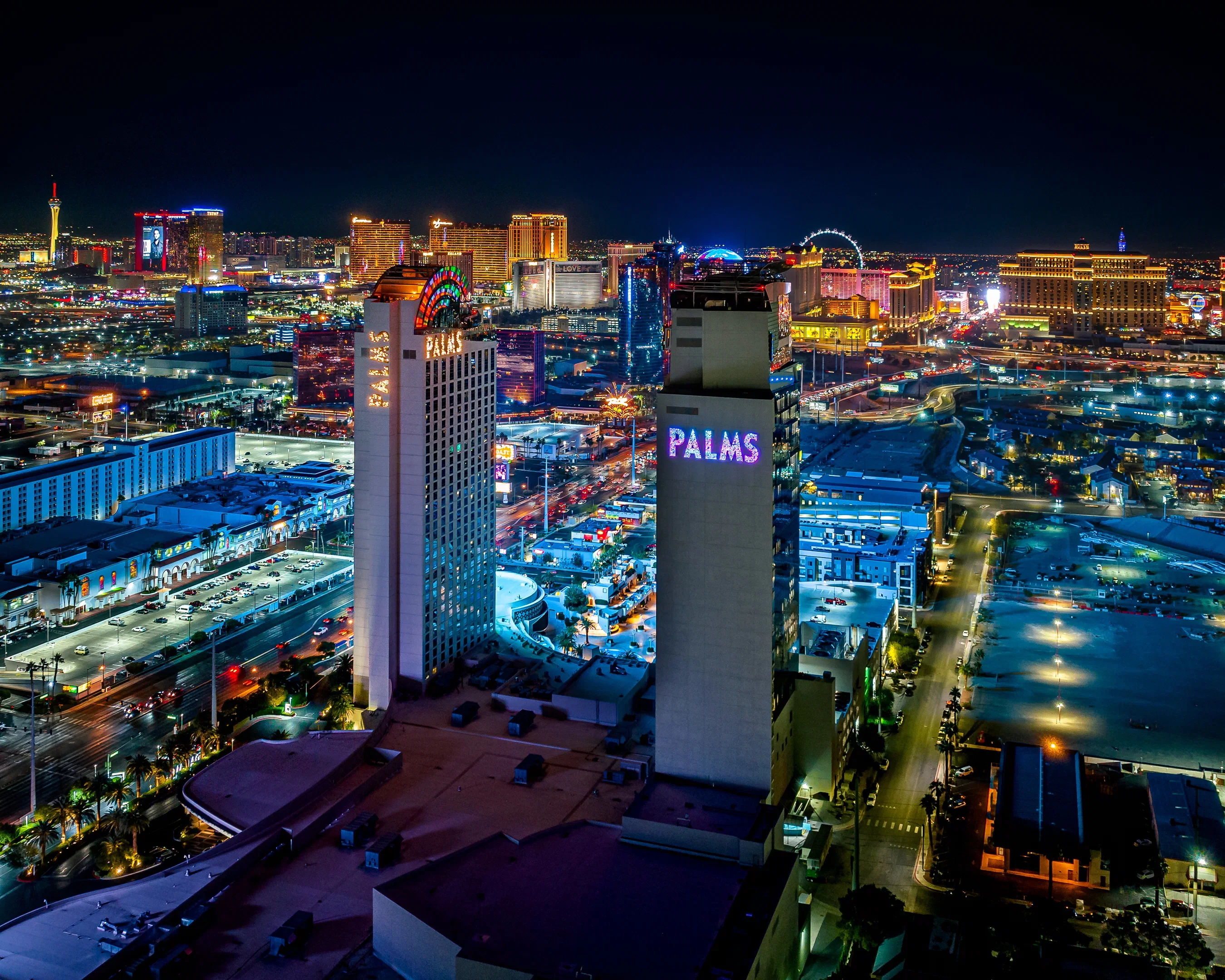
Las Vegas maintains its position as a global leader in hosting trade shows and corporate exhibitions, with the Palms Casino Resort providing a specialized environment that differs markedly from larger convention campuses. This off-Strip property combines resort amenities with dedicated event spaces, creating opportunities for more focused attendee experiences where business networking occurs alongside access to dining, entertainment, and hospitality facilities. As a planning and coordination resource, the emphasis remains on developing strategies that align booth design, traffic management, and programming with the specific attributes of this venue to achieve defined marketing objectives.
Successful exhibitions at the Palms Casino Resort demand careful attention to its position within the Las Vegas venue landscape, situated in a western district that attracts a blend of local professionals and visitors seeking alternatives to the high-density central Strip or Convention Center District events. This differentiation influences attendee behavior, dwell time, and interaction patterns compared to properties in Strip North, Strip South, or the primary convention clusters. Coordination efforts therefore prioritize designs and activations that capitalize on these patterns while maintaining operational efficiency throughout the event lifecycle.
The planning process incorporates detailed analysis of spatial requirements, aesthetic compatibility, technical infrastructure, and measurement approaches specifically calibrated for the Palms Casino Resort. Without assuming direct execution capabilities, the focus stays on delivering authoritative guidance that helps exhibitors navigate venue parameters, optimize custom trade show booth investments, and create cohesive experiences that resonate within this particular resort setting.
What to lock first
- District positioning and attendee flow differentiation from central Strip venues
- Aesthetic alignment between custom exhibits and the resort's contemporary design language
- Flexible booth configurations adaptable to varying event space dimensions
- Integration of technology solutions that complement venue infrastructure
- Timeline development accounting for resort operational rhythms
- Measurement frameworks focused on quality engagements over volume
- Sustainability approaches appropriate for resort-based events
Understanding the Palms Casino Resort Within Las Vegas Venue Clusters
The Palms Casino Resort occupies a distinct position among Las Vegas event destinations, falling outside the primary Convention Center District and the intense activity corridors of Strip Central or Strip South. This western location offers a more contained environment where exhibitions can benefit from reduced external distractions and a guest profile that often includes both regional business leaders and leisure travelers staying on property. Planning resources must therefore address how this positioning affects transportation planning, programming schedules, and the types of experiences that will generate strongest response.
Unlike the expansive floor plans found at major convention centers or the high-traffic environments of certain Strip resorts, the Palms provides spaces that support more intimate yet still scalable events. This scale influences booth design priorities, favoring configurations that encourage meaningful conversations rather than broad broadcasting. Coordination strategies emphasize creating pathways that connect exhibit areas with adjacent resort amenities, thereby extending engagement opportunities beyond the designated event footprint.
District-level differentiation also extends to competitive context. Exhibitors at the Palms can position their presence as a refined alternative to larger, more crowded venues, using this distinction in pre-event communications to set attendee expectations. Effective planning incorporates these nuances from initial concept stages to ensure all elements work in harmony with the property's specific character and operational patterns.
- Analysis of western district access points and their impact on arrival patterns
- Comparison of expected attendee demographics versus Strip Central properties
- Adjustment of activation energy levels to match venue scale
- Integration opportunities with resort hospitality and entertainment offerings
Custom Trade Show Booth Design Approaches for the Property
Design planning for the Palms Casino Resort begins with thorough consideration of the property's modern architectural elements, lighting schemes, and interior finishes. Custom exhibits must complement these features while establishing clear brand distinction, avoiding visual competition with the resort's sophisticated aesthetic. This balance requires selection of materials, colors, and structural approaches that enhance the overall environment while directing focus toward key messaging and interaction zones.
Ceiling heights, column placements, and space configurations at the venue necessitate modular designs that can adapt without requiring complete reconstruction between events. Planning emphasizes versatility, allowing core brand elements to remain consistent while permitting adjustments based on specific room assignments or event parameters. Lighting strategies receive particular attention, as effective illumination must work in concert with the property's ambient systems to create appropriate atmosphere without causing glare or visibility issues.
The most effective designs incorporate multiple engagement layers, from large-scale graphics visible upon approach to detailed demonstration areas for deeper interactions. This layered approach acknowledges the varied ways attendees move through resort-based events, where business objectives intersect with leisure activities. Coordination of these elements ensures that the booth functions effectively as both a destination and a transitional space within the larger event environment.
- Material selections that maintain appearance under resort lighting conditions
- Modular components allowing reconfiguration for different square footage allocations
- Interactive zones scaled for both brief encounters and extended consultations
- Storage solutions integrated into design to maintain clean presentation standards
Operational Coordination and Timeline Development
Coordinating exhibitions at the Palms Casino Resort involves creating detailed timelines that account for the unique rhythms of resort operations, including guest arrivals, dining peaks, and entertainment schedules. These factors influence when attendees are most likely to visit exhibit areas, requiring strategic placement of programming and staffing to align with natural flow patterns rather than fighting against them. Planning resources focus on building comprehensive schedules that minimize conflicts while maximizing productive time.
Material logistics follow established venue protocols that differ from those at dedicated convention facilities. Advance planning helps establish clear expectations for delivery windows, staging areas, and removal sequences. By developing thorough documentation and contingency options, exhibitors can navigate these requirements more effectively, reducing potential disruptions to the overall event experience.
Staffing considerations extend beyond booth personnel to include coordination with technical support, catering, and other service providers active within the resort. The planning process incorporates these interdependencies, creating communication frameworks that keep all parties aligned throughout the preparation, execution, and post-event phases. This systematic approach supports smoother operations even within the more complex environment of an integrated resort property.
- Creation of Hour by Hour event day timelines synchronized with resort activities
- Pre-event documentation packets for all participating stakeholders
- Defined escalation paths for addressing operational variables
- Post-event debrief protocols to capture lessons for subsequent planning
Technology Integration and Interactive Experience Planning
Contemporary exhibitions at the Palms Casino Resort increasingly incorporate technological components that enhance engagement while respecting the property's sophisticated atmosphere. Planning involves selecting solutions that integrate smoothly with available infrastructure, whether for data collection, content delivery, or interactive demonstrations. Early assessment of power availability, connectivity options, and placement opportunities prevents technical complications that could detract from the intended experience.
The venue's environment supports applications ranging from digital signage and lead capture systems to more immersive elements like augmented reality or personalized content delivery. However, technology choices must consider the potential for attendee distraction within a property that already offers numerous entertainment options. Strategic planning therefore prioritizes purposeful implementation where digital tools directly support specific objectives rather than being included for novelty alone.
Support structures for these technologies form an essential part of the coordination plan, including backup systems, on-site troubleshooting protocols, and data security measures appropriate for the event context. By addressing these aspects during initial planning stages, exhibitors can deploy innovations confidently while maintaining focus on core business outcomes and brand representation.
- Evaluation criteria for technology solutions based on venue compatibility
- Integration mapping with existing resort audiovisual capabilities
- Training outlines for staff managing technical activations
- Privacy compliance frameworks for data-collecting implementations
Attendee Engagement and Traffic Flow Optimization
The layout of event spaces at the Palms Casino Resort creates specific opportunities and challenges for managing attendee movement. Planning focuses on positioning exhibits and activations to take advantage of natural pathways between hotel areas, meeting rooms, and entertainment venues. This approach increases visibility and encourages both planned and spontaneous interactions without relying on high-volume foot traffic typical of larger convention centers.
Engagement strategies should reflect the venue's character, emphasizing quality conversations and experiential elements over aggressive lead generation tactics. The resort setting allows for more relaxed interactions where attendees may feel comfortable spending additional time at well-designed booths. Coordination includes development of programming that aligns with this pace, incorporating demonstrations, discussions, or hospitality elements that fit naturally within the overall environment.
Measurement approaches for these engagements require different metrics than those used at high-traffic venues. Planning incorporates frameworks that capture not only quantity of interactions but depth of conversation, quality of leads, and brand perception shifts. These insights prove particularly valuable for organizations that participate in multiple Las Vegas events, allowing refinement of approaches across different venue types and districts.
- Mapping of primary and secondary traffic patterns within the property
- Programming calendar development synchronized with attendee availability
- Activation concepts scaled for the resort's more intimate setting
- Feedback mechanisms designed to capture nuanced response data
Sustainability and Responsible Event Practices
Sustainability considerations have become integral to exhibition planning across all Las Vegas venues, including the Palms Casino Resort. Coordination resources emphasize selection of materials and fabrication methods that reduce environmental impact while maintaining the quality standards expected in a luxury resort setting. This includes prioritizing reusable components, responsible waste management protocols, and energy-efficient technologies where appropriate.
The planning process incorporates sustainability goals into design decisions from the conceptual stage, ensuring that environmental factors inform rather than constrain creative possibilities. Documentation of these practices provides valuable content for corporate communications and demonstrates alignment with broader organizational values. For events at the Palms, these efforts can resonate particularly well given the property's sophisticated audience.
Long-term planning also considers how sustainable approaches can be maintained across multiple events, potentially reducing costs and simplifying logistics over time. By building these considerations into the foundational strategy, exhibitors create exhibitions that perform effectively in the moment while supporting larger corporate responsibility objectives.
- Material sourcing guidelines prioritizing recycled or recyclable content
- Waste diversion strategies appropriate for resort venue constraints
- Energy consumption calculations for lighting and technology elements
- Reporting templates for documenting sustainability achievements
Measurement, Analysis, and Continuous Improvement
Determining success at the Palms Casino Resort requires establishing clear objectives before the event and implementing appropriate tracking mechanisms throughout. Unlike standardized metrics used at major convention centers, measurements here should reflect the venue's ability to facilitate deeper engagements and longer dwell times. Planning includes selection of tools and processes that capture both quantitative data and qualitative insights relevant to this specific environment.
Post-event analysis examines not only immediate outcomes but how the exhibition experience aligned with the unique characteristics of the Palms. This review process identifies which elements performed most effectively within the resort context, providing direction for future events whether returning to this property or moving to others within different Las Vegas clusters. The knowledge gained contributes to increasingly refined approaches over time.
Documentation and knowledge transfer mechanisms ensure that insights move beyond individual events to inform organizational exhibition strategy more broadly. This systematic approach to learning represents one of the highest-value aspects of professional event coordination, transforming each exhibition into an opportunity for strategic advancement.
- KPI selection frameworks calibrated to resort venue dynamics
- Data collection methods that respect attendee experience
- Analysis templates for comparing performance across venue types
- Knowledge management systems for retaining and applying event insights
FAQ
Questions buyers usually ask next
How does exhibiting at the Palms Casino Resort differ from the Las Vegas Convention Center or Venetian Expo?
The Palms offers a more intimate resort environment with a different attendee mix and natural integration of hospitality amenities. This requires exhibit designs and programming scaled for quality interactions rather than the high-volume traffic typical of dedicated convention facilities in the Convention Center District.
What design elements work best within the Palms Casino Resort aesthetic?
Successful designs complement the property's contemporary style and lighting conditions through careful material selection, balanced scale, and integration of brand elements that enhance rather than compete with the sophisticated resort environment.
When should planning begin for an event at this venue?
Strategic planning typically starts six to nine months in advance to allow sufficient time for design development, operational timeline creation, technology integration, and alignment with the specific rhythms of resort-based events.
How should technology be incorporated into exhibits at the Palms?
Technology selections should support specific engagement objectives while integrating smoothly with venue infrastructure. Planning prioritizes purposeful implementation that enhances the overall experience within the resort setting without creating distractions.
What metrics best evaluate success for exhibitions at this property?
Given the venue characteristics, measurements should emphasize engagement quality, conversation depth, lead qualification, and brand perception shifts rather than solely focusing on raw attendee volume.
Can exhibit elements be reused across different Las Vegas venues?
Core structural and branding components can often be adapted, but modifications are typically required to optimize for the specific spatial, aesthetic, and operational requirements of each location including the distinctive environment at the Palms Casino Resort.