
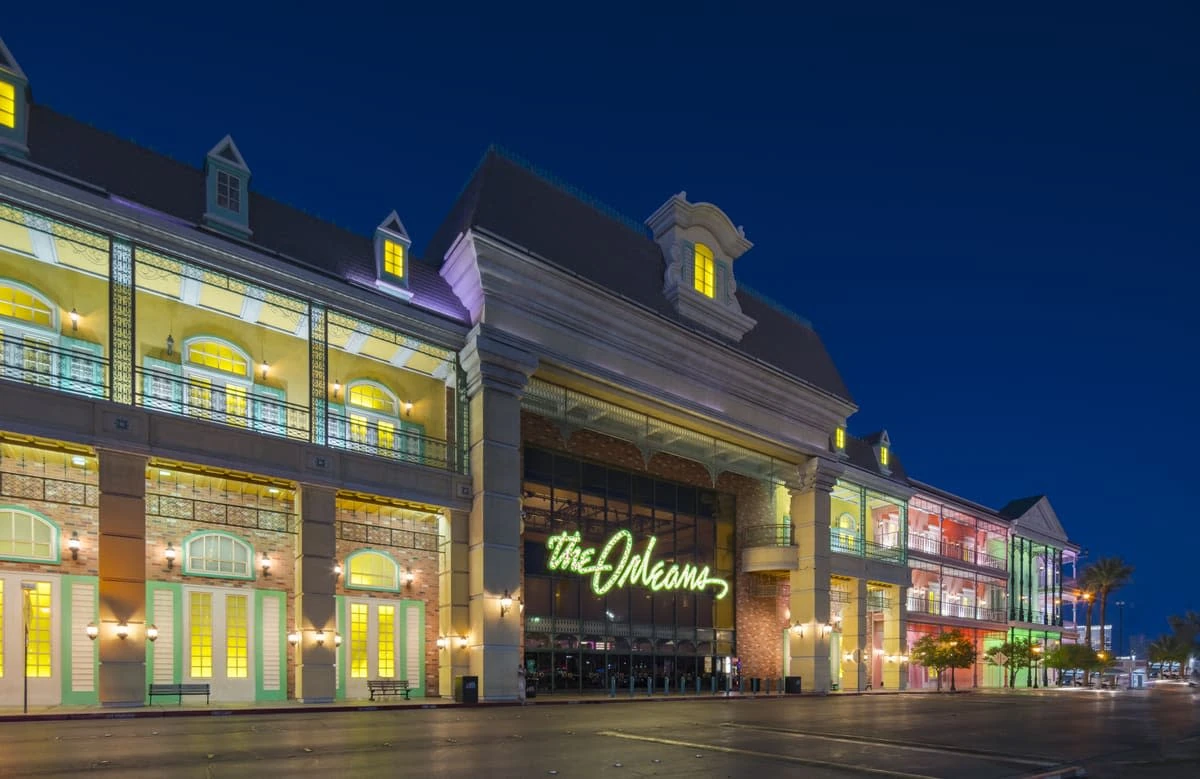
The Orleans Hotel and Casino represents a distinct option among Las Vegas venues, combining meeting and exhibit facilities with comprehensive resort amenities. This integrated environment supports trade shows that benefit from extended attendee engagement across both formal sessions and informal networking opportunities. As a planning resource, the focus remains on aligning exhibit strategies with the specific operational characteristics of the property to achieve measurable business outcomes.
Successful participation requires careful consideration of spatial dynamics, audience flow patterns, and integration with the venue's hospitality elements. Coordination begins with clear objective setting and extends through design development, logistical preparation, and post-event evaluation. This structured approach helps exhibitors navigate the nuances of events in this setting while maximizing visibility and connection opportunities.
Las Vegas maintains its position as a premier destination for industry gatherings due to its diverse venue options and robust infrastructure. The Orleans contributes to this ecosystem by offering an alternative to high-traffic Strip properties, often resulting in more concentrated business interactions within a self-contained campus.
What to lock first
- Custom exhibit concepts aligned with resort hospitality themes
- Audience targeting and traffic flow management techniques
- Logistical scheduling and vendor coordination protocols
- Technology integration for enhanced attendee experiences
- Regulatory compliance and documentation best practices
- Post-event metrics evaluation and strategy refinement
Positioning Within the Las Vegas Events Ecosystem
Las Vegas hosts a wide spectrum of trade shows and conventions across multiple districts, from the busy Convention Center District to various resort-based properties. The Orleans Hotel and Casino fits into this landscape as a venue that emphasizes convenience and integrated experiences. Its placement outside the immediate Strip corridor allows for events that prioritize focused interactions over high-volume foot traffic, creating distinct strategic opportunities for exhibitors.
Planning resources emphasize understanding these differences when selecting and preparing for a specific property. Factors such as proximity to major roadways, availability of on-site accommodations, and the balance between business and leisure components influence how exhibits should be conceptualized. Coordination involves mapping these attributes against event objectives to ensure the chosen venue supports rather than constrains desired outcomes.
The broader market context includes competition from larger facilities like the Las Vegas Convention Center and the Venetian Expo, as well as other resort options. Each location presents unique variables in terms of attendee demographics and event scale. Effective planning accounts for these variations by developing flexible strategies that can be tailored to the specific venue while maintaining consistency with overall branding and marketing goals.
- Compare venue attributes against specific event objectives
- Analyze attendee travel patterns and stay duration
- Align exhibit scale with surrounding district characteristics
- Incorporate market research into pre-event preparation
Custom Exhibit Design Approaches for Resort Venues
Exhibit design for properties like the Orleans Hotel and Casino benefits from concepts that blend professional functionality with the surrounding hospitality aesthetic. This involves selecting materials, colors, and layouts that feel congruent with a resort environment while still delivering clear brand messaging and product focus. The planning process prioritizes designs that facilitate multiple interaction types, from structured demonstrations to casual conversations.
Attention to sight lines, lighting conditions, and spatial constraints forms the foundation of any effective design. In resort settings, there is often opportunity to incorporate lounge-style elements that encourage longer dwell times. Coordination with design professionals ensures these features are implemented without compromising practicality for installation, operation, and removal within the venue's timelines.
Innovation in design continues to evolve with industry trends toward sustainability and digital integration. Materials that support reusability across multiple events align with broader efficiency goals. Similarly, modular components allow for adaptation if future events shift between different Las Vegas venues with varying space configurations.
The design phase should also consider how the exhibit will photograph and present in marketing materials. Strong visual presence in this environment helps extend the impact of participation beyond on-site attendees through digital sharing and post-event recaps.
- Prioritize modular systems for flexibility across events
- Balance brand identity with venue atmosphere
- Incorporate interactive zones for varied engagement levels
- Plan for lighting that enhances both visibility and comfort
Logistical Coordination and Operational Planning
Trade show logistics in Las Vegas demand precise scheduling and clear communication among all stakeholders. For events at the Orleans Hotel and Casino, this includes advance review of access protocols, material handling procedures, and utility requirements. Authoritative planning resources stress the value of documented timelines that account for potential variables such as overlapping events or transportation considerations within the city.
Successful coordination extends beyond the exhibit itself to encompass related services including audiovisual support, internet connectivity, and catering arrangements. Establishing primary points of contact and escalation procedures helps maintain momentum when unexpected adjustments become necessary. The goal is smooth execution that allows the exhibiting team to focus on attendee interactions rather than operational details.
Pre-event site visits, when feasible, provide valuable insights into actual conditions that may not be fully apparent from floor plans alone. These assessments inform final adjustments to layout and programming. Comprehensive checklists covering every phase from initial concept through dismantle help ensure nothing is overlooked in the complex environment of a major events market.
Documentation plays a critical role in risk management. Maintaining records of all agreements, specifications, and communications creates a reference framework that supports accountability and provides lessons for subsequent planning cycles.
- Create detailed Gantt charts for all event phases
- Establish clear communication hierarchies with vendors
- Prepare contingency plans for common disruptions
- Document all specifications and approvals in one system
Optimizing Attendee Engagement Strategies
Engagement at trade shows depends on creating experiences that deliver immediate value while reinforcing long-term brand objectives. At a venue like the Orleans Hotel and Casino, the resort atmosphere supports approaches that feel less transactional and more relational. Planning should therefore emphasize content and activities that spark meaningful dialogue rather than one-way presentations.
Effective strategies often combine physical booth elements with digital components that allow for personalized follow-up. Lead capture methods that integrate with existing CRM systems streamline the process of converting event connections into business opportunities. Training for booth personnel should address both product knowledge and conversational frameworks tailored to the expected audience.
The surrounding amenities at the property create natural extensions for engagement. Coordinating hospitality elements or educational sessions that leverage these spaces can differentiate an exhibit from standard offerings. Measurement of engagement goes beyond simple lead counts to include qualitative assessments of interaction depth and sentiment.
- Develop tiered engagement options for different attendee types
- Integrate digital tools for smooth data collection
- Prepare scripted yet flexible conversation pathways
- Schedule targeted programming during peak traffic windows
Regulatory Compliance and Industry Best Practices
Las Vegas maintains specific requirements for events that encompass safety, accessibility, and operational standards. Planning resources provide frameworks for understanding and addressing these across different venues. For the Orleans Hotel and Casino, this includes alignment with both property-specific rules and broader municipal guidelines that govern trade shows and conventions.
Compliance begins during the initial planning stages rather than as a final checklist item. Early review of permitting processes, insurance needs, and labor regulations prevents costly delays. Sustainability initiatives, while not always mandated, increasingly factor into both venue expectations and attendee preferences, making them important considerations in contemporary event design.
Industry best practices evolve continuously as technology and audience expectations change. Staying informed through professional networks and educational resources ensures that planning approaches remain current. This includes understanding shifts toward hybrid formats that combine in-person and virtual participation to expand event reach.
Evaluating Performance and Refining Future Strategies
Meaningful evaluation of trade show participation requires predetermined metrics aligned with overarching business goals. These might include qualified lead volume, engagement duration, or direct revenue influence. For events at the Orleans Hotel and Casino, additional factors such as the quality of connections made possible by the resort environment should be incorporated into the assessment framework.
Post-event debriefs involving all participants provide nuanced insights that raw data alone cannot reveal. Surveying attendees about their experience with specific exhibit elements helps identify strengths and opportunities for improvement. This information becomes particularly valuable when comparing results across different Las Vegas venues to inform future venue selection and tactical adjustments.
The rapid pace of change in both the events industry and target markets requires ongoing strategy refinement. Lessons from one event should inform enhancements for the next, whether returning to the Orleans or exploring other options within the city. Long-term success depends on this cycle of execution, evaluation, and evolution.
Comprehensive reporting that combines quantitative results with qualitative observations creates institutional knowledge that benefits the entire organization. When coordinated effectively, trade show participation becomes a consistently high-ROI component of the marketing mix.
- Establish baseline metrics before the event opens
- Capture both structured and anecdotal feedback
- Compare results against industry benchmarks where available
- Archive insights in accessible formats for future reference
Integration of Technology in Modern Exhibit Planning
Technology has become integral to nearly every aspect of trade show coordination, from pre-event promotion through on-site activation and post-event follow-up. For planning at the Orleans Hotel and Casino, this includes ensuring sufficient bandwidth for digital displays, interactive screens, and real-time data collection tools. Coordination involves confirming infrastructure capabilities during the initial planning stages.
Augmented reality, virtual product demonstrations, and personalized content delivery systems can significantly enhance engagement when implemented thoughtfully. The key is selecting solutions that complement rather than overshadow the core brand message and that function reliably within the venue environment. Testing procedures should be built into the timeline to address any technical considerations before show opening.
Data analytics platforms now allow for more sophisticated understanding of booth traffic patterns and interaction effectiveness. When used responsibly, this information supports immediate adjustments during multi-day events and provides detailed reporting for future planning. The integration of these tools requires careful attention to privacy regulations and ethical data handling practices.
FAQ
Questions buyers usually ask next
How does the Orleans Hotel and Casino compare to other Las Vegas event venues?
The Orleans offers an integrated resort experience that differs from larger convention centers by providing on-site lodging, dining, and entertainment in a more contained setting. This supports events where relationship building and extended conversations are priorities. Planning should account for these distinctions when developing traffic patterns, programming, and exhibit designs compared to high-volume Strip or convention district properties.
What timeline is recommended for coordinating exhibits at this venue?
Coordination for Las Vegas events typically begins 6 to 12 months prior to the show date, with more complex custom exhibits requiring additional lead time for design, fabrication, and approval processes. Earlier planning provides greater flexibility in scheduling and often improves cost efficiency. Key milestones include initial concept approval, final design lock, and logistical confirmation at least 90 days before the event.
What design elements work best in a resort casino environment?
Designs that balance professional functionality with hospitality aesthetics tend to perform well. This includes comfortable seating areas, warm lighting, and materials that convey quality without appearing overly corporate. The layout should support both scheduled presentations and spontaneous discussions while maintaining clear brand visibility from multiple approach angles within the exhibit space.
How should success be measured for events at the Orleans Hotel and Casino?
Success metrics should be established during initial planning and reflect specific event objectives. Common indicators include qualified lead volume, engagement quality, and post-event conversion rates. The venue's environment often supports deeper interactions, so qualitative feedback and relationship development should be factored alongside quantitative data when evaluating overall performance.
What coordination steps help ensure smooth event execution?
Begin with comprehensive objective setting, followed by detailed timeline development that includes all vendors and venue requirements. Maintain centralized documentation, schedule regular check-in calls, and prepare contingency options for potential disruptions. Early confirmation of all technical and operational needs helps prevent issues during the critical installation and show periods.